
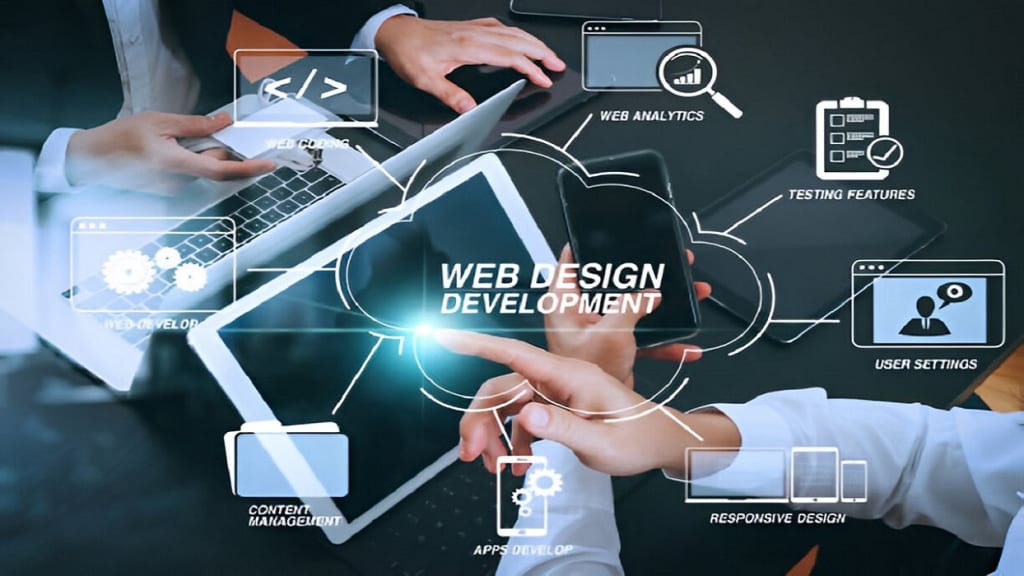
In today’s digital world, a professional website is one of the most important assets for any business. Whether you own a small local business, an e-commerce store, or a large company, your website acts as your online identity and often creates the first impression for potential customers. A well-designed and properly developed website not only attracts visitors but also helps convert them into loyal customers.
Website design and development involve creating visually appealing, functional, and user-friendly websites that provide a seamless experience across all devices. Modern consumers expect websites to load quickly, look professional, and be easy to navigate. If a website is outdated, slow, or difficult to use, visitors are likely to leave and choose a competitor instead.
A good website design focuses on user experience (UX). This includes clean layouts, attractive visuals, easy navigation, readable content, and responsive design. Responsive websites automatically adjust to different screen sizes, ensuring a smooth experience on desktops, tablets, and smartphones. Since a large percentage of users browse websites on mobile devices, mobile-friendly design has become essential for business success.
Website development is the technical process of building and maintaining the functionality of a website. Developers use modern technologies and coding practices to create secure, fast, and reliable websites. Development includes features such as contact forms, e-commerce functionality, content management systems, payment gateways, booking systems, and more. A well-developed website ensures that users can interact with the business easily and complete desired actions without technical issues.
Search engine optimization (SEO) also plays a major role in website development. An SEO-friendly website structure helps search engines understand and rank the website better on platforms like Google. Proper coding, optimized images, fast loading speeds, and quality content all contribute to improved search engine visibility. Businesses with optimized websites have a better chance of attracting organic traffic and reaching potential customers online.
Another important aspect of website design and development is branding. A website should reflect the company’s identity through consistent colors, typography, logos, and messaging. Strong branding builds trust and helps businesses stand out in competitive markets. Professional websites create credibility and encourage customers to engage with the brand.
Security and performance are equally important in modern web development. Websites must be protected against cyber threats and data breaches. Regular updates, secure hosting, SSL certificates, and backup systems help maintain website security and reliability. Fast-loading websites also improve user satisfaction and search engine rankings.
Businesses today also benefit from integrating digital marketing tools into their websites. Features like analytics tracking, social media integration, live chat, email subscription forms, and conversion-focused landing pages help companies improve customer engagement and marketing performance.
In conclusion, website design and development are essential for building a successful online presence. A professional website helps businesses attract visitors, build trust, improve customer experience, and increase sales. Investing in high-quality website design and development ensures long-term growth and gives businesses a competitive advantage in the digital marketplace. As technology continues to evolve, having a modern, responsive, and optimized website is no longer optional — it is a necessity for success.
Important Points of Website Design & Development
- Professional website creates a strong first impression
- Responsive design improves mobile user experience
- Fast-loading websites reduce bounce rates
- User-friendly navigation improves customer engagement
- SEO-friendly structure helps improve Google rankings
- Secure websites protect customer data and build trust
- High-quality content increases conversions and engagement
- Clear call-to-action buttons generate more leads
- Mobile optimization is essential for online success
- Consistent branding strengthens business identity
- E-commerce features support online sales growth
- Website speed impacts SEO and user experience
- Regular updates improve security and performance
- Integration with social media boosts brand visibility
- Analytics tools help track website performance
- Contact forms and live chat improve customer communication
- Optimized images improve loading speed and design quality
- Reliable hosting ensures website stability